
Aesthetic Gynecology, Pelvic Floor Restoration & Intimate Health
Restoring anatomical tone, comfort, and intimate confidence through personalized functional and cosmetic gynaecological care led by Dr. M. Ananda Kumari in a discreet, compassionate clinic environment.

Aesthetic Gynecology, Pelvic Floor Restoration & Intimate Wellness
Aesthetic and Functional Gynecology addresses structural laxity, functional alterations, and tissue degeneration of the vulvovaginal complex caused by vaginal deliveries, episiotomy trauma, estrogen withdrawal in menopause, and chronological aging. Integrating medical energy technologies, targeted reconstructive perineal repair, and pelvic floor strengthening, this specialty restores anatomical tone, eliminates involuntary stress urinary leakage, and resolves intimate friction or discomfort.
Pelvic floor laxity and urinary leakage are common medical conditions, yet many women endure them in silence due to hesitation or embarrassment. We offer an entirely private, compassionate, and clinical environment. Our goal is to restore normal anatomical tone, physiological comfort, and involuntary urinary control, empowering women to regain daily comfort and confidence.
Our range of services include :
Our patient-focused approach integrates precision diagnostics, advanced 3D keyhole surgery, and 25+ years of clinical excellence for superior recovery and long-term well-being
Over 25 years of specialized surgical excellence in Vijayawada led by Dr. M. Ananda Kumari
Trusted by generations of women across Andhra Pradesh for compassionate, personalized gynaecological care
Extensive surgical track record in 3D laparoscopic, hysteroscopic & preventive oncology procedures
Dedicated to medical excellence, rapid recovery, and patient-centered clinical care
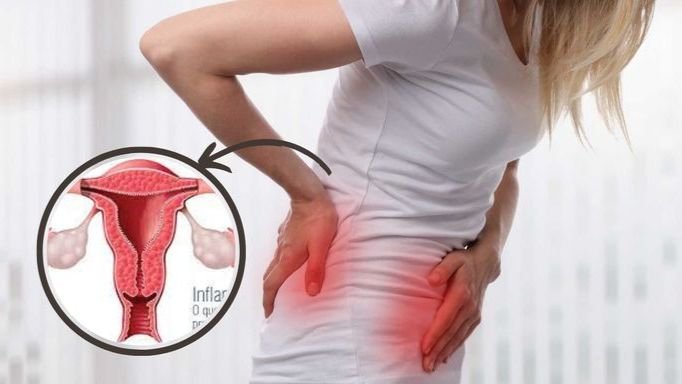
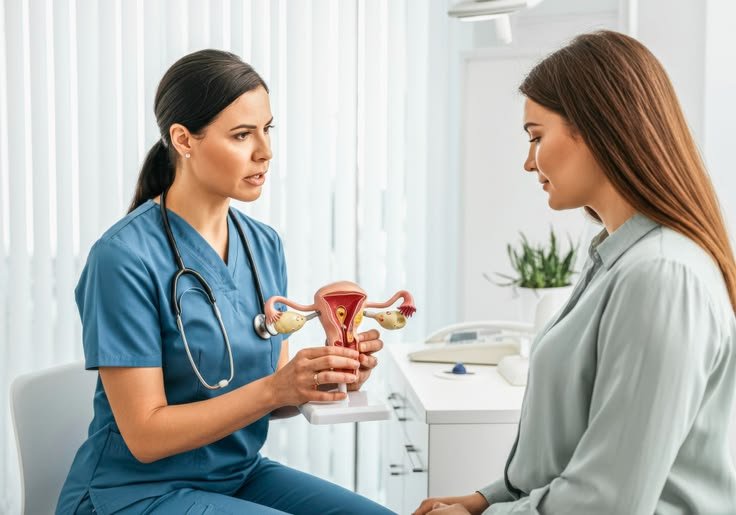
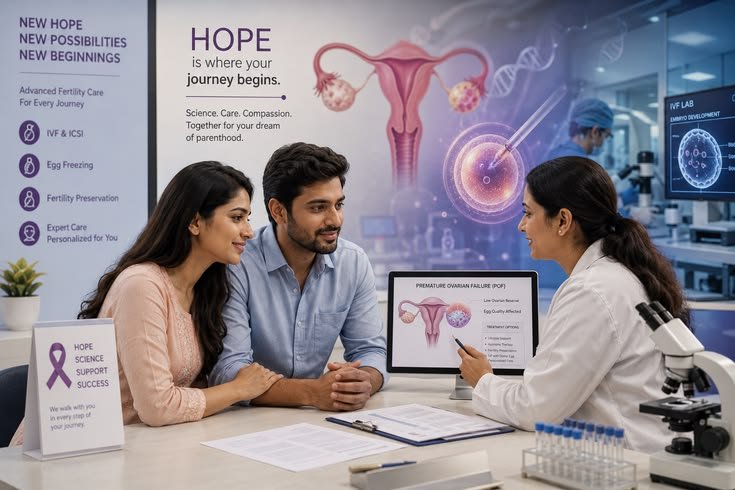
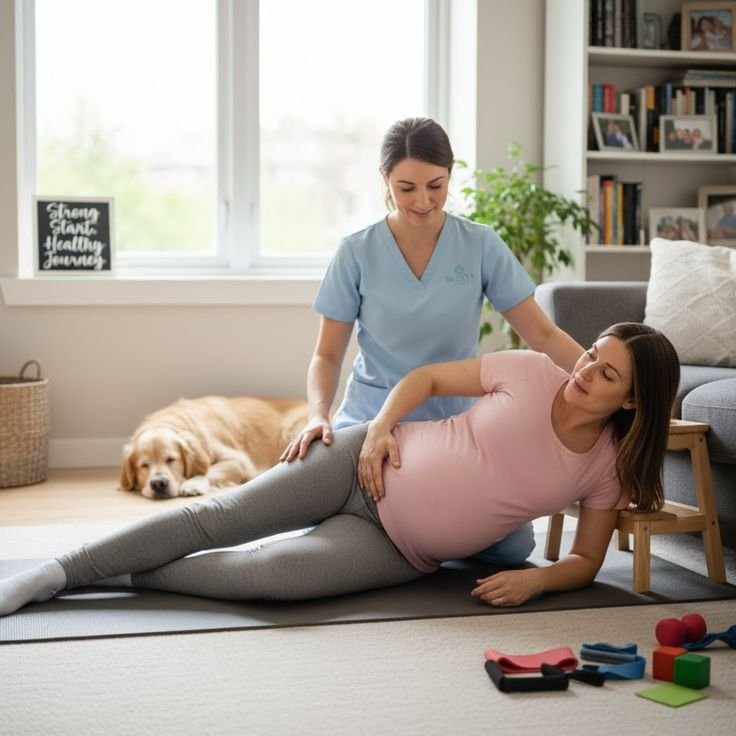
Strengthening suburethral support to permanently eliminate embarrassing involuntary urine leaks during coughing, laughing, or exercising.
Rebuilding weakened vaginal wall muscular support and introitus diameter following natural childbirth or age-related tissue stretching.
Energy-based and micro-cellular stimulation that boosts natural collagen, microcirculation, and mucosal lubrication without downtime.
Comprehensive post-delivery anatomical recovery correcting tender episiotomy scars, perineal defects, and pelvic fullness.
Detailed Medical Conditions, Warning Signs & Evidence-Based Care
Involuntary urine leakage when coughing, sneezing, laughing, or running (stress urinary incontinence); sensation of vaginal looseness or a bulging mass (early pelvic organ prolapse); diminished intimate sensation; chronic chafing or irritation.
Vaginal deliveries especially with prolonged second stage or large babies, instrumental deliveries, natural age-related collagen and elastin degradation, estrogen loss during menopause causing mucosal thinning, and chronic straining.
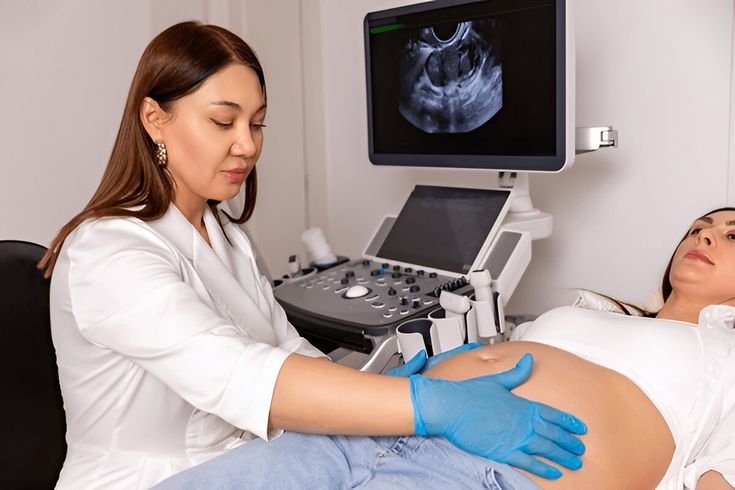
Pelvic Organ Prolapse Quantification (POP-Q) staging, dynamic cough stress testing, digital pelvic floor muscle strength evaluation (Oxford scale), and high-resolution transperineal ultrasound.
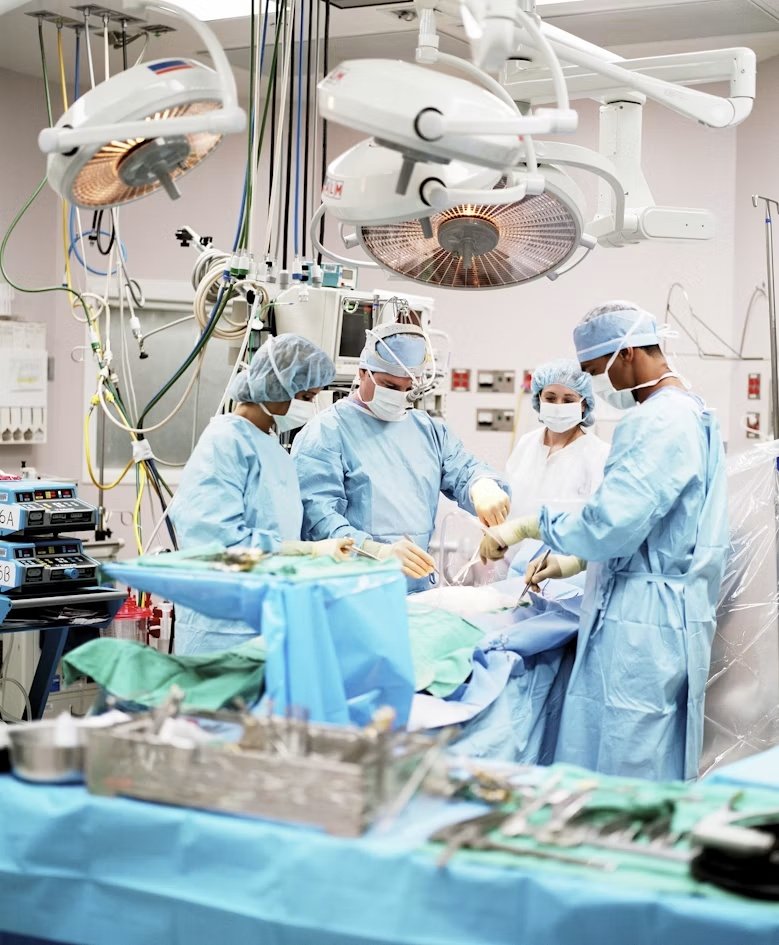
Surgical perineoplasty, anterior and posterior colporrhaphy, minimally invasive suburethral sling procedures, energy-based mucosal tightening, and individualized pelvic floor biofeedback rehabilitation.
Symptoms of Pelvic Floor Dysfunction You Should Not Ignore
Pelvic floor laxity and incontinence are progressive anatomical conditions. Timely assessment prevents advanced pelvic organ prolapse and surgical complexity.
- Involuntary Urine Leakage During Coughing or Exercise – Uncontrolled urine escape during sneezing, coughing, laughing, or running (Stress Urinary Incontinence - SUI).
- Sensation of a Bulge or Protrusion at the Introitus – Feeling like tissue or a ball is descending in the vagina, especially after standing for long hours (Pelvic Organ Prolapse).
- Difficulty Emptying Bladder or Chronic Incomplete Voiding – Needing to strain, push, or reposition yourself to pass urine, accompanied by frequent recurrent urinary tract infections.
- Loss of Intimate Sensation & Friction Following Childbirth – Noticeable widening of the vaginal introitus and weakened muscular tone causing air-trapping or diminished intimate sensitivity.
- Painful or Hypersensitive Episiotomy Scarring – Tender, rigid, or pulling scar tissue at the perineum causing continuous discomfort during intercourse or sitting.
These symptoms require thorough clinical evaluation, precision imaging, and early intervention to rule out complications. Dr. M. Ananda Kumari provides advanced diagnostic consultations and prompt surgical/medical management at our Vijayawada centre.
Frequently Asked Clinical Questions
Scientifically verified medical guidance from Dr. M. Ananda Kumari regarding Aesthetic Gynecology.
No. While Stress Urinary Incontinence (SUI) is very common (affecting 1 in 3 women after childbirth or menopause), it is NOT a normal condition that you have to live with. It is caused by weakened pelvic floor muscles and loss of urethral support, and can be effectively cured through specialized pelvic floor rehabilitation, non-surgical energy treatments, or minor minimally invasive procedures.
Dr. M. Ananda Kumari provides advanced non-surgical modalities including medical radiofrequency, fractionated laser stimulation, and autologous PRP rejuvenation. These treatments stimulate natural collagen synthesis, increase elastin fibers, and rebuild mucosal vascularity with zero surgery, zero stitches, and zero downtime.
We recommend waiting at least 3 to 6 months after delivery to allow natural postpartum healing, tissue involution, and hormonal stabilization. A gentle clinical assessment by Dr. Ananda Kumari will determine whether targeted pelvic floor therapy, scar remodeling, or minor perineoplasty is best suited for your recovery.
Yes, 100%. DR. AK CLINIC upholds the highest standards of medical privacy, patient dignity, and confidentiality. Your consultations, physical examinations, and treatment plans are held in private clinical rooms with compassionate, non-judgmental female care.
Surgical repairs (such as perineoplasty and sling procedures) provide long-lasting, permanent structural anatomical correction. Non-surgical collagen-stimulating treatments provide substantial improvements for 12 to 24 months, with simple annual maintenance sessions recommended to sustain peak tissue elasticity.