
Gynaec Oncology, Cervical Cancer Screening & Preventive Pelvic Care
Specialized preventive screening, early detection, and advanced surgical management of female reproductive cancers led by Dr. M. Ananda Kumari, M.S. (OBGYN) with over 25 years of surgical excellence in Vijayawada.

Comprehensive Gynaecologic Oncology, Cervical Cancer Screening & Preventive Pelvic Care
Gynecologic Oncology focuses on the systematic risk stratification, early detection, histological diagnosis, and surgical management of precancerous and malignant neoplasms affecting the cervix, endometrium, ovaries, fallopian tubes, and vulva. Driven by clinical guidelines from FOGSI and SGO, our center in Vijayawada emphasizes that the vast majority of reproductive tract cancers—particularly cervical carcinoma—are biologically preventable when identified at the dysplastic stage. We utilize molecular high-risk HPV DNA genotyping, liquid-based cytology (LBC), and high-resolution video colposcopy to intercept oncogenic changes years before clinical invasion occurs.
Facing a potential cancer screening or diagnosis induces profound apprehension. Our clinical team approaches oncology with absolute clarity, scientific honesty, and compassionate guidance. We walk every patient through their diagnostic pathology findings step-by-step, removing fear through accurate clinical education, prompt intervention, and fertility-sparing or organ-preserving surgical pathways whenever clinically viable.
Our range of services include :
Our patient-focused approach integrates precision diagnostics, advanced 3D keyhole surgery, and 25+ years of clinical excellence for superior recovery and long-term well-being
Over 25 years of specialized surgical excellence in Vijayawada led by Dr. M. Ananda Kumari
Trusted by generations of women across Andhra Pradesh for compassionate, personalized gynaecological care
Extensive surgical track record in 3D laparoscopic, hysteroscopic & preventive oncology procedures
Dedicated to medical excellence, rapid recovery, and patient-centered clinical care


Advanced Liquid-Based Cytology (LBC ThinPrep) and high-risk HPV DNA genotyping (types 16 and 18) for early detection years before symptoms appear.
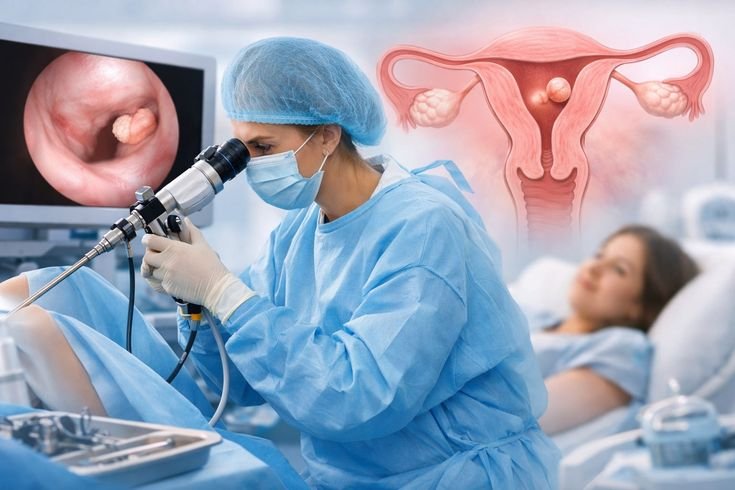
High-magnification visualization of the cervix with targeted acetic acid & Lugol staining to biopsy and treat precancerous dysplasia (CIN 1, 2, or 3).
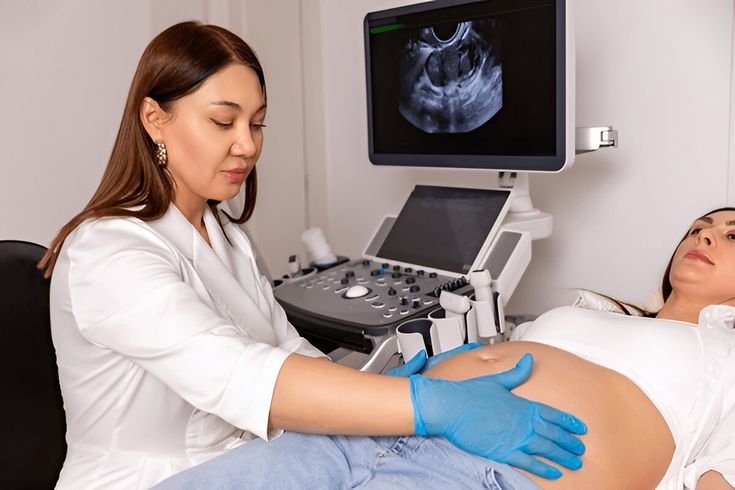
Comprehensive sonographic tumor profiling, Color Doppler vascular indexing, and serum CA-125 & HE4 biomarker correlation for ovarian health.
Rapid pipelle endometrial biopsy and operative hysteroscopy to rule out endometrial hyperplasia and uterine malignancies with immediate care.
Detailed Medical Conditions, Warning Signs & Evidence-Based Care
Postmenopausal bleeding (any vaginal bleeding after menopause is abnormal), intermenstrual spotting, post-coital bleeding, persistent foul-smelling discharge, unexplained pelvic heaviness, chronic bloating, and persistent abdominal discomfort.

Persistent high-risk Human Papillomavirus (HPV) infection, chronic untreated cervical cervicitis, genetic predisposition (BRCA1 or BRCA2, Lynch syndrome), obesity, hormonal imbalances, early age of intercourse, and long-term unmonitored estrogen.
Liquid-Based Cytology (LBC), High-Risk HPV DNA PCR testing, Video Colposcopy, Endometrial Pipelle Sampling, High-Resolution Pelvic Ultrasound, and Serum CA-125 / ROMA score tumor marker evaluations.

Colposcopic LEEP or LLETZ cone excision for precancerous cervical intraepithelial neoplasia, 3D Laparoscopic Radical Hysterectomy, Bilateral Salpingo-Oophorectomy (BSO), and staging surgeries with rapid post-operative recovery.
Red Flag Symptoms Requiring Immediate Gynaec Oncology Evaluation
While reproductive cancers develop gradually, the following symptoms require immediate specialist diagnostic evaluation by Dr. M. Ananda Kumari to prevent progression.
- Postmenopausal Vaginal Bleeding – Any bleeding, spotting, or brownish discharge occurring months or years after menopause is abnormal and warrants immediate endometrial assessment.
- Post-Coital or Intermenstrual Spotting – Unexplained bleeding during or immediately following intercourse or between regular menstrual cycles can indicate cervical dysplasia or lesions.
- Persistent Watery or Foul-Smelling Discharge – Continuous watery, pink-tinged, or foul-smelling discharge unresponsive to standard antibiotic or antifungal treatments.
- Rapid Abdominal Distension & Early Satiety – Noticeable lower abdominal swelling, persistent bloating, and feeling full quickly after eating small meals (a key early sign of ovarian pathology).
- Unexplained Weight Loss & Deep Pelvic Pain – Unintentional loss of body weight accompanied by persistent, dull aching in the pelvis or lower back.
These symptoms require thorough clinical evaluation, precision imaging, and early intervention to rule out complications. Dr. M. Ananda Kumari provides advanced diagnostic consultations and prompt surgical/medical management at our Vijayawada centre.
Frequently Asked Clinical Questions
Scientifically verified medical guidance from Dr. M. Ananda Kumari regarding Gynaec Oncology.
According to ACOG and FOGSI clinical guidelines, women aged 21–29 should have a Pap smear every 3 years. Women aged 30–65 should ideally undergo co-testing (Liquid-Based Cytology Pap smear + High-Risk HPV DNA testing) every 5 years, or a Pap smear alone every 3 years. Co-testing detects precancerous dysplasia (CIN) up to 10 years before cervical cancer develops.
No. Over 90% of abnormal Pap smear results indicate minor inflammation, low-grade squamous changes (LSIL), or temporary HPV infections rather than cancer. Dr. M. Ananda Kumari performs video colposcopy and minor micro-biopsies to examine the cervix under magnification and provide non-surgical or outpatient treatments (such as LEEP or LLETZ) when necessary.
Yes. While early ovarian cancer has subtle symptoms, high-resolution Transvaginal Sonography (TVS) coupled with Color Doppler vascular indexing and serum biomarkers (CA-125 and HE4 / ROMA score) can detect suspicious ovarian masses at stage I, dramatically improving curative outcomes.
In the majority of cases (approximately 80-90%), postmenopausal bleeding is caused by benign conditions such as severe vaginal/endometrial atrophy or benign polyps. However, because 10-15% of cases are caused by endometrial hyperplasia or cancer, every instance of postmenopausal bleeding must be evaluated via ultrasound and pipelle biopsy.
Whenever oncologically safe and indicated, Dr. M. Ananda Kumari utilizes advanced 3D keyhole laparoscopic techniques for radical hysterectomy and pelvic lymph node staging. This minimally invasive approach results in minimal blood loss, tiny 5mm incisions, significantly lower infection rates, and quick hospital discharge within 24–48 hours.